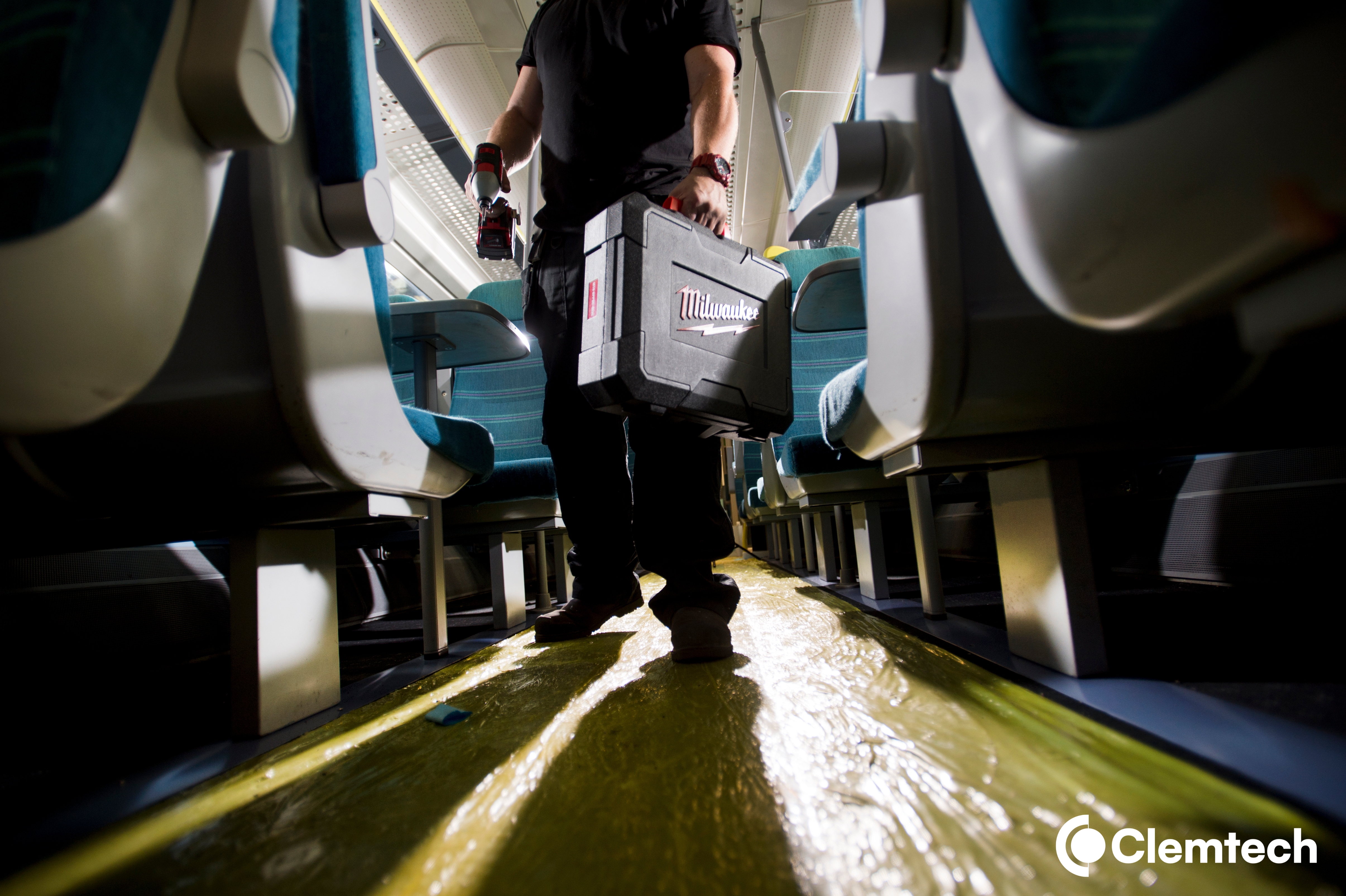
In engineering‑driven sectors such as Rail & Rolling Stock, Aviation, Defence, Maritime and Data Centres, project timelines rarely move in a straight line. Peaks in demand, changing scopes, last‑minute requirements and unexpected technical challenges are all part of the landscape.
Temporary labour is often the most strategic solution, not the “backup plan” it’s sometimes perceived to be.
At Clemtech, we’ve seen how the right temporary workforce can keep programmes on track, reduce operational risk and support long‑term project success.
Why Temporary Labour Makes Business Sense
1. Flexibility to meet project peaks
Projects naturally have high‑intensity phases. Temporary labour allows organisations to scale their teams quickly, ensuring skilled engineers are available when output needs to increase.
2. Immediate access to specialist skills
Some project requirements call for niche expertise that organisations don’t need year‑round. Temporary contracts allow businesses to bring in electrical technicians, systems engineers, test engineers or safety-critical workers for specific scopes.
3. Cost control and budget management
Temporary labour provides workforce certainty without the cost of long-term headcount. Clients only pay for the skills they need, when they need them.
4. Reduced hiring risk
With shortages of skilled engineers, organisations can’t afford a poor hiring decision. Temporary labour provides immediate capability while longer-term needs are assessed.
Supporting projects without compromise
Temporary labour has become a strategic tool across engineering sectors because it delivers:
- Faster response
- Specialist availability
- Compliance assurance
- Workforce stability during project surges
At Clemtech, we supply skilled technical professionals who integrate seamlessly into client teams to deliver immediate impact.
Clemtech's key areas of support and labour supply, both temporary and permanent include:
- Test & commissioning of new rolling stock
- Installation
- Refurbishment
- Maintenance/Exams
- Modifications
- Professional Engineering
- Project Management